Portrait Photography Font
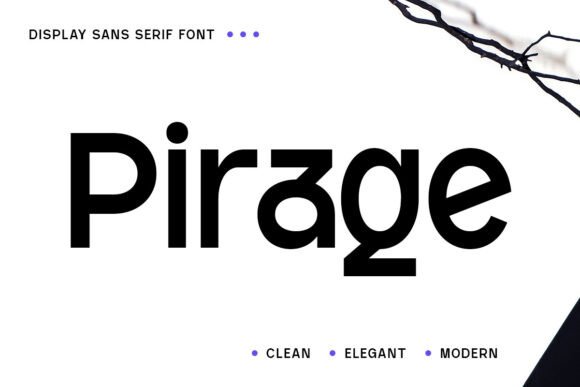
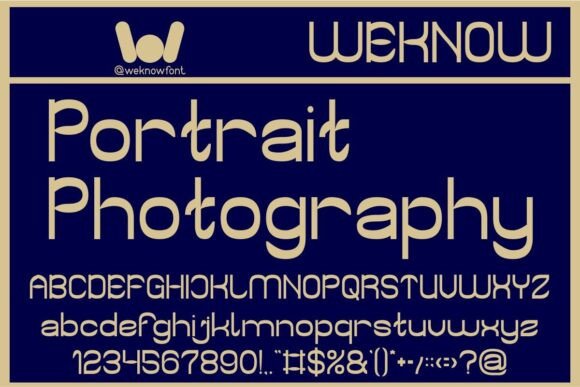
Portrait Photography is a versatile sans serif typeface that blends simplicity with a whimsical touch, making it ideal for web designers and digital creators seeking a balanced yet expressive typography solution. Its clean lines and subtle personality offer a fresh alternative to standard sans serifs while maintaining readability across various digital formats.
Designed for creative professionals, Portrait Photography brings a sense of approachability and elegance to web design. It works well in both high-impact display scenarios and subtle supporting roles, offering flexibility for headers, buttons, and body text when paired appropriately.
Visual Characteristics and Digital Appeal
The font’s structure is rooted in basic sans serif principles, but its unique curves and spacing add a playful energy. This makes it particularly effective for brands aiming to convey creativity without sacrificing professionalism. The stroke contrast is minimal, ensuring legibility at smaller sizes and on mobile screens.
Portrait Photography’s character set includes alternate glyphs and ligatures, which can be used to enhance visual interest in headings or logos. These details make it suitable for modern UIs, where a polished yet dynamic look is essential.
Applications in Web Design
For website headers and hero sections, Portrait Photography provides a strong visual anchor. Its clarity ensures that key messages stand out without overwhelming the user. On landing pages, it can be used for call-to-action buttons, guiding users through the conversion funnel with a friendly yet authoritative tone.
In online stores, the font adds a touch of personality to product banners and promotional graphics. It pairs well with minimalist layouts, helping to highlight brand identity without competing with visual elements. For blog headers or course sales pages, it offers a cohesive aesthetic that aligns with modern design trends.
Readability and User Engagement
When used in short phrases or decorative accents, Portrait Photography enhances visual hierarchy without compromising readability. It is best suited for titles, subheadings, and logos rather than extended body text. However, with proper line spacing and font size adjustments, it can work effectively in content sections when paired with a complementary sans serif or serif font.
On mobile screens, the font remains legible due to its open letterforms and consistent x-height. For dark backgrounds or image overlays, increasing the font weight or adjusting the tracking can improve contrast and readability. Small buttons benefit from bolder weights to ensure visibility and usability.
Best Use Cases for Portrait Photography
Portrait Photography excels as a display font for hero sections, section headings, and logo text. Its personality shines through in creative portfolios, boutique online stores, and coaching websites where a distinct visual identity is crucial. It also works well in social media graphics and digital ads, adding a polished yet engaging presence.
For a creative portfolio site, using Portrait Photography in the header and project titles creates a memorable first impression. In a product landing page, it can be used for headline copy and feature highlights, reinforcing brand storytelling. When paired with a neutral sans serif for body text, it maintains balance while adding visual flair.
Font Pairing and Brand Identity
Pairing Portrait Photography with a simple sans serif like Roboto or Open Sans creates a harmonious contrast, allowing the display font to shine without overshadowing the body text. For editorial designs, combining it with a serif font such as Georgia or Playfair Display adds sophistication and depth.
When building a brand kit, Portrait Photography can serve as the primary display typeface, with a secondary sans serif for body copy. This approach ensures consistency across all digital touchpoints, from website headers to email templates and social media posts.
Technical Considerations
Before integrating Portrait Photography into a project, check the available styles, weights, and file formats. Webfont availability is essential for seamless implementation across platforms. Ensure multilingual support if the design targets international audiences.
Commercial font licensing should be reviewed carefully, especially for websites, client projects, or online stores. Proper licensing guarantees legal use and avoids potential issues with font embedding or distribution.
Conclusion
Portrait Photography is a compelling choice for web designers looking to add a touch of creativity to their digital projects. Its blend of simplicity and whimsy makes it adaptable for a wide range of applications, from hero sections to branded assets. By understanding its strengths and limitations, designers can leverage it effectively to enhance visual appeal and user experience.
Whether used in a creative portfolio, an online store, or a coaching website, Portrait Photography contributes to a cohesive and engaging digital presence. Its versatility and clean aesthetic make it a valuable addition to any designer’s toolkit.